
Drop in boys’ learning outcomes and violence-related risks call for joint national solutions
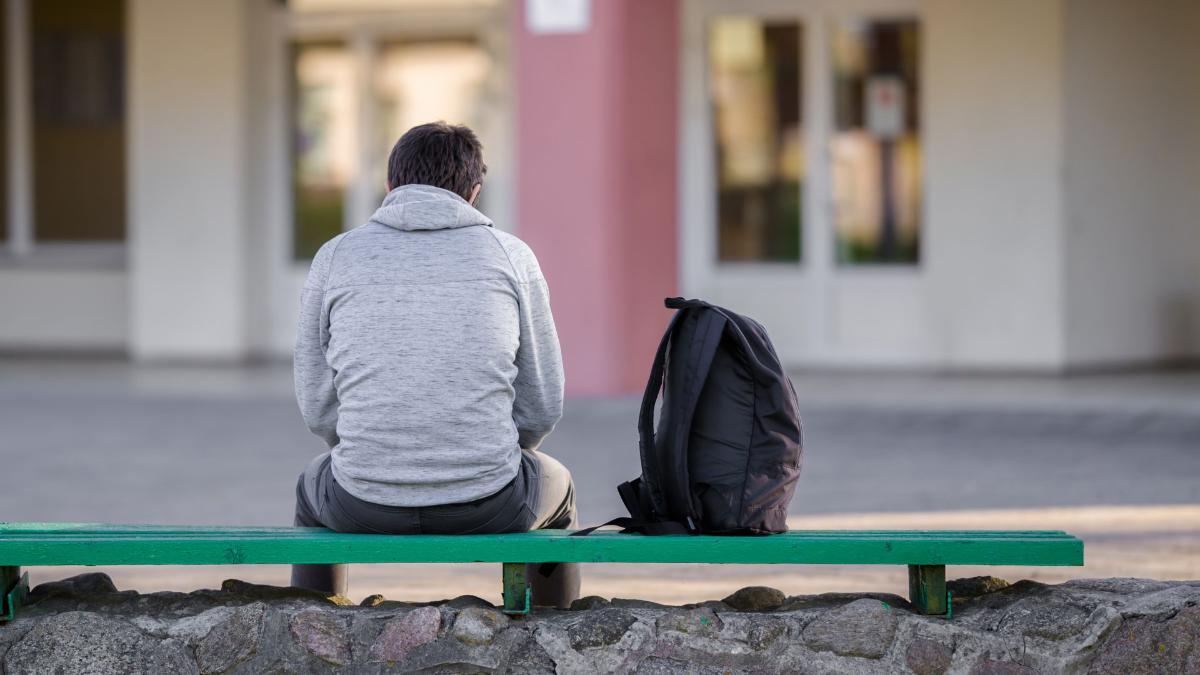
Gendered vulnerabilities of boys and young men must be taken into account when planning education and health and social services. The latest report calls for a shift from gender neutrality to gender-sensitive policymaking that recognises differences between genders and identifies specific needs. It proposes that raising competence levels and preventing violence should be set as shared national goals across all work with children and young people.
Published on 14 January by the Ministry of Social Affairs and Health, the report examines gender equality among boys and young men, measures to prevent exclusion and ways to strengthen inclusion. It analyses gender equality questions from the perspectives of education and training, wellbeing, violence and the role of social media and technology.
The report draws on national statistics, research on education and wellbeing, and insights from expert and researcher panels. The data show that Finnish students’ learning outcomes have declined, particularly among boys. Boys are also vulnerable to somatic conditions, mental health problems and loneliness, and they are overrepresented as both victims and perpetrators of violence.
A new challenge is posed by social media algorithms, which guide content and may increase political and gender-based polarisation.
"Equality belongs to everyone. Recognising the challenges faced by boys and young men and preventing exclusion are major issues for Finnish society as a whole. The report identifies boys' lower educational performance, experiences of violence and loneliness. It also highlights the impact of social media and algorithms on boys' and young men's mental health, learning outcomes and attitudes. All children and young people, regardless of gender, need safety and space to grow in both physical and digital environments. Like other countries, Finland should introduce restrictions on children's and young people's use of social media," says Minister Sanni Grahn-Laasonen, who is responsible for gender equality issues.
Falling learning outcomes weaken boys’ educational paths
Gender differences in learning outcomes have narrowed and remained moderate, especially in mathematics and science. However, boys’ average performance remains below that of girls and has continued to decline, with no signs of improvement.
These differences affect young people’s opportunities for further education. Boys are at a disadvantage particularly in fields with high entry requirements. However, differences within gender groups are greater than those between genders: most girls and boys fall into the same middle group, and disparities are most pronounced among the lowest and highest performers.
The report proposes that raising competence levels should be set as a shared national goal for all child and youth work. It also recommends ensuring access to general upper secondary education equally for all students with the required abilities and assessing the gender impacts of post-upper secondary entrance exam reforms.
Mental health services fail to reach boys adequately
The report shows that boys’ and young men’s mental health problems are often underdiagnosed, and many find it difficult to seek help. Symptoms often appear as aggression, risk-taking or withdrawal rather than the typical signs of depression.
The report stresses the need to improve symptom recognition and develop low-threshold mental health services and outreach. It also proposes extending the use of models tailored to boys and men and integrating proven NGO practices into public services.
‘Boy codes’ normalise violence
Research shows that boys are overrepresented as both victims and perpetrators of violence. Hypermasculine ideals, shame around vulnerability and the glorification of violence create cultural structures that lead boys to see violence as an acceptable way to resolve conflicts or prove manhood.
The report highlights that boys and young men encounter violence in peer relationships, families and society at large. Breaking down structures that sustain violence requires identifying mechanisms such as ‘boy codes’ and social toxicity that socialise boys into violent behaviour.
The report proposes making violence prevention and reducing violent crime a shared national objective for all child and youth work. Education providers, health and social services and youth organisations should all commit to this goal.
Algorithms increase the risk of polarisation
The report identifies social media algorithms as a new challenge. Algorithm-driven content selection can increase political and gender-based polarisation and reinforce harmful gender roles.
The report calls for improved media literacy education for young people and stronger research and monitoring of the gendered impacts of algorithms. It also proposes setting up a parliamentary working group to assess the need for regulating social media content.
The report is based on the Programme of Prime Minister Petteri Orpo’s Government, which states that greater attention must be paid to gender equality issues affecting boys and men, in particular to prevent the exclusion of young men. To implement this commitment, the Government’s Action Plan for Gender Equality included the preparation of this report and recommendations.
The report ‘Boys and men matter’ was authored by Harry Lunabba, researcher at the University of Helsinki.
Inquiries
Harry Lunabba, University Lecturer, tel. +358 50 416 0309, [email protected]
Anttoni Saarinen, Specialist, tel. +358 295 163 553, [email protected]
Annu Jaakkola, Special Adviser to Ministeri Sanni-Grahn Laasonen, tel. +358 295 163 330, [email protected]